
Climate Change & The Melting Sea Ice
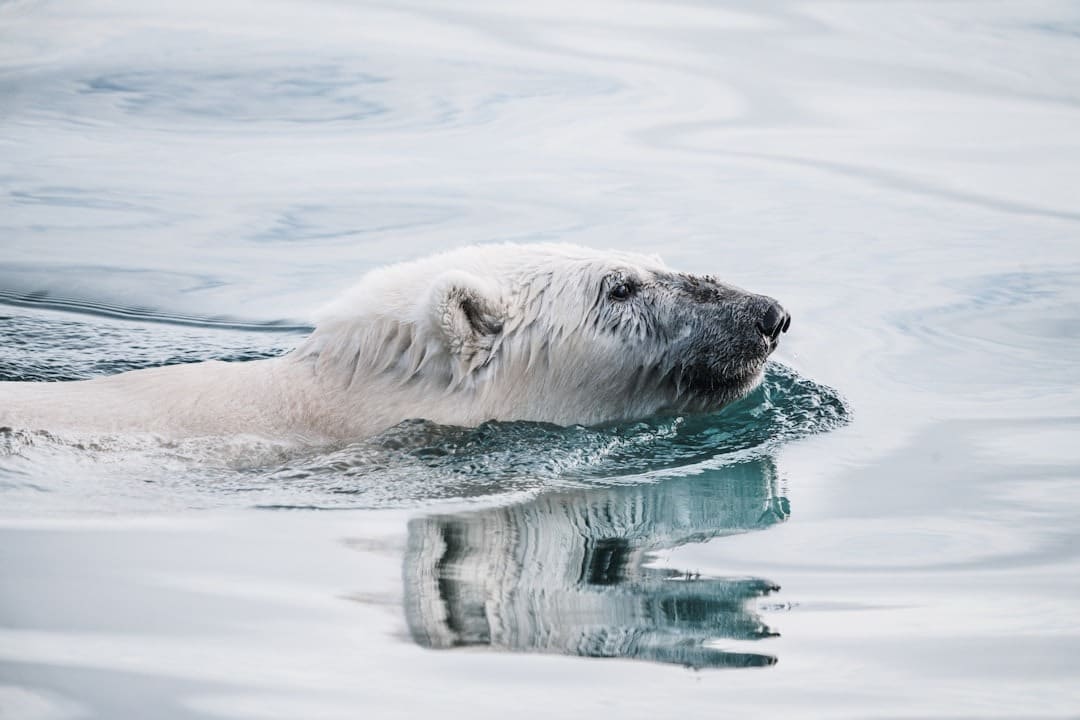
The polar bear (Nanoq) relies entirely on Arctic sea ice as its primary hunting ground. It is from this ice platform that they hunt seals, their essential energy source. As the Arctic sea ice melts faster and earlier each summer, the polar bear’s hunting season is dramatically cut short. This forces the bears onto land for extended periods without access to food, directly threatening the survival and reproduction of the species.
Apex Hunting: Accessing their primary prey, ringed and bearded seals.
Mating & Travel: Navigating vast distances across the polar basin to find mates.
Maternal Denning: Pregnant females rely on coastal areas and stable pack ice to build snow dens for their cubs.
The Ice-Dependent Habitat
Polar bears (Ursus maritimus) do not live on a fixed landmass; their true home is the moving Arctic sea ice. They are classified as marine animals because they spend the majority of their lives on the frozen surface of the Arctic Ocean.
As climate change accelerates, the Arctic is warming up to four times faster than the global average. This rapid warming creates longer ice-free summers, forcing bears onto land where they must fast for months, draining their vital energy reserves.

Leave a Reply